Hello Games marked No Man’s Sky’s 10th anniversary this month by teasing the name of its next content update: Cosmos. No further details or release date have been shared yet, but the studio’s decade-long track record of consistent free updates makes this one worth watching once more information surfaces.
Category: PC
PC gaming news, hardware, and performance coverage
-
What’s launching in the final week of August and into September
The next few weeks are packed. Here’s what’s worth having on your radar.
August 27 brings Star Wars Zero Company, Metal Gear Solid Master Collection Vol. 2, Plague Tale Legacy Resonance (day one on Game Pass), and Lou’s Lagoon, all landing the same day. Serious Sam: Shatterverse follows on August 31.
September opens with Moonlighter reaching its 1.0 release on September 2, followed by The Blood of Dawnwalker on September 3, which has confirmed a free performance mode at launch. American Truck Simulator’s South Dakota DLC is expected sometime during the month, the next state expansion following May’s Illinois release.
Later in September, Silent Hill: Townfall arrives September 24 on PC and PS5, and The Witcher 3: Remastered launches September 29 as a free upgrade for existing owners.
Looking further out, Path of Exile 2 reaches its full 1.0 release on December 11.
-
Mortal Shell II’s Balance Patch 1 fixes most launch issues, one boss bug remains
Mortal Shell II has stabilized considerably since launch. Balance Patch 1 is now live across PC, PS5, and Xbox Series, building on an earlier Hotfix 2 that already resolved several crash and UI issues, including a menu lockup tied to the Slayer Seal and weapons getting stuck after a riposte.
One real issue remains open, though. Fighting the boss Zmey can cause weapons to disappear or attacks to stop registering entirely mid-fight. The official workaround for now is to unequip the Grisha Remnant item before attempting the fight again. No permanent fix has been confirmed yet, so if you hit this bug, that’s your move in the meantime.
-
Gamescom Opening Night Live: Witcher 3 Remastered, Path of Exile 2’s 1.0 date, and more
Gamescom’s Opening Night Live delivered a genuine surprise this year. The Witcher 3: Remastered is a free upgrade for existing owners, launching September 29 with overhauled combat, visuals, and monster AI, alongside a new expansion called Songs of the Past coming next year.
Path of Exile 2 finally has its full 1.0 release date: December 11. Mega Man 12 was revealed during the show, and Mega Man: Dual Override got moved up a full year, now targeting a 2026 release instead of its previously expected window. Silent Hill: Townfall also picked up a concrete release date, September 24, for PC and PS5.
Gamescom itself runs through August 30, so it’s worth watching for further announcements before things wrap up.
-
What’s launching between now and the end of August
The next two weeks are busy. Here’s what’s worth having on your radar.
Mortal Shell II launches August 20 on PC, PS5, and Xbox Series X|S. The same day, STALKER 2 gets its Cost of Hope DLC.
Gamescom 2026 runs August 26 through 30, and Xbox has confirmed its presence, including the possibility of a surprise reveal. Insiders, including Windows Central’s Jez Corden, say Microsoft is preparing to show a game built on an existing Microsoft IP developed by a third-party studio.
What’s already been ruled out: Elder Scrolls VI, Wolfenstein 3, Banjo-Kazooie, the Fallout remasters, Blade, OD, and a StarCraft shooter. As of now, nobody’s correctly guessed what it actually is.
August 27 rounds out the month with three major releases landing the same day: Star Wars Zero Company, Metal Gear Solid Master Collection Vol. 2, and Resonance: A Plague Tale Legacy, the last of which is available day one on Game Pass.
-
Forza Horizon 6 save data issues persist, plus what to know before Gears E-Day’s full launch
Two ongoing issues worth flagging this week, one still unresolved, one revealing useful information ahead of a full launch.
Forza Horizon 6’s save data loss bug has been open since June, and it’s still not fully resolved. The most recent fix, which landed August 5, gives console players a partial workaround: you can now browse and restore previous cloud save versions through Manage game & add-ons, then Saved data, then Restore saved data.
If you’re still experiencing save loss, that restore option is your best current recourse while Playground Games continues working toward a permanent fix. Worth being clear that this is a workaround, not a resolution.
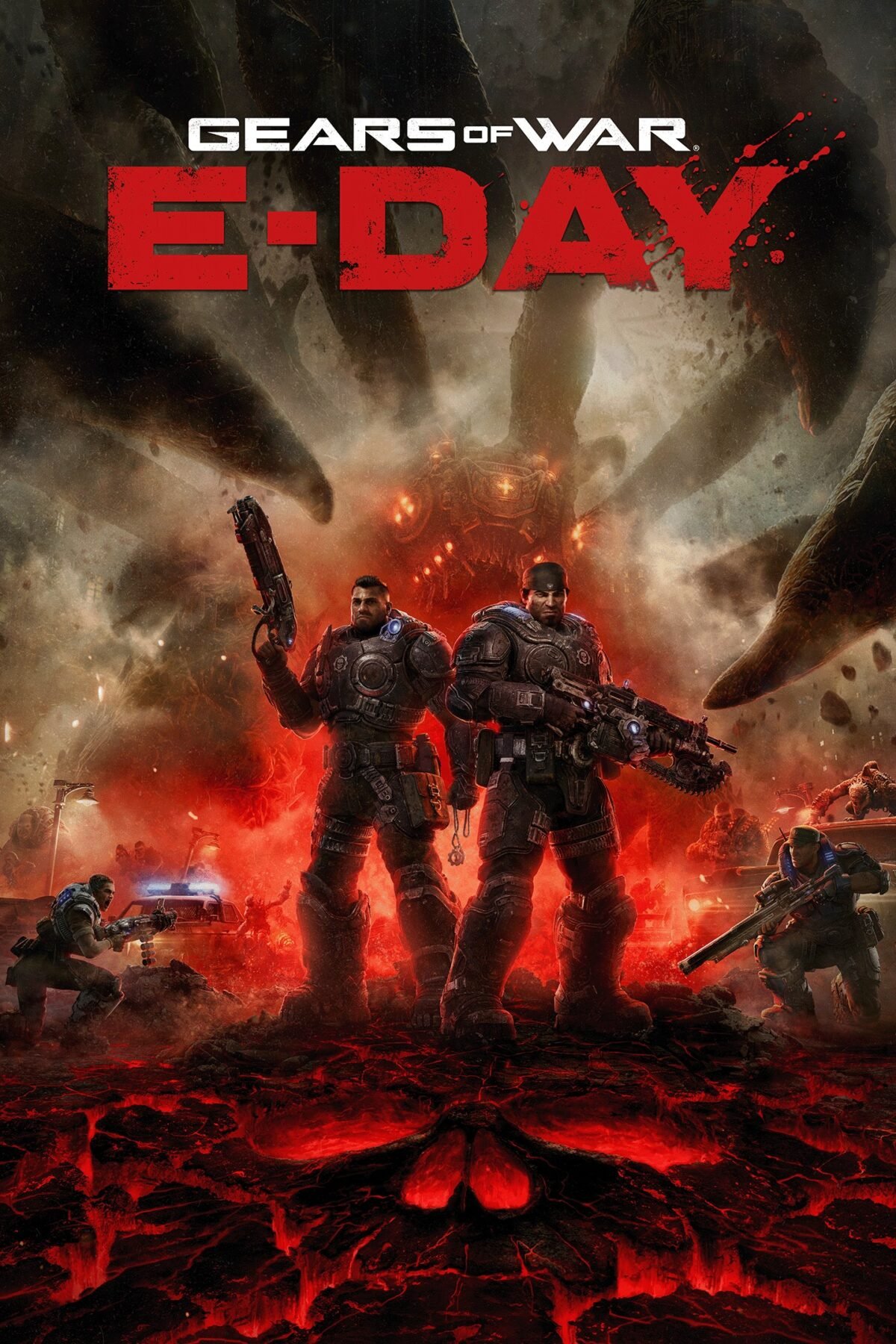
Separately, Gears of War: E-Day’s open beta wrapped up Monday, and The Coalition has been upfront that the stability issues players encountered were expected given it wasn’t final software. A few practical notes worth carrying forward to the full launch on October 6: PC players will need current GPU drivers before the game will even launch, Nvidia 610.74 or newer, AMD 26.7.1 or newer, or Intel 101.8864 or newer.
If you record gameplay, OBS needs to be version 29.0.0 or newer, older versions will cause the game to crash while recording. And if you run Comodo Antivirus, you’ll need to disable it as a workaround, since it currently blocks the game’s executable outright.
None of these are launch-day surprises anymore, but they’re worth having sorted before October 6 rather than discovering them at launch.
-
August Patch Tuesday fixes a kernel flaw
This month’s Windows update, KB5121003, includes the usual round of quality-of-life additions, Voice Isolation for Voice Access, better file size display in File Explorer, external fingerprint reader support for Windows Hello, but it also quietly patches something more serious: CVE-2026-68820, a kernel-level vulnerability that North Korea’s Lazarus Group has been actively exploiting since early July.
The campaign has specifically targeted defense-sector workers using fake job offers as the entry point. It’s worth being precise about the actual risk here: exploiting this flaw requires an attacker to already have some level of access to your machine, so it’s not a drive-by threat that puts the average PC gamer at risk just by browsing normally.
That said, it’s a confirmed, actively exploited vulnerability, not a theoretical one, and Microsoft’s own advisory recommends installing the update within three days rather than waiting. Even outside the specific threat of these patches, keeping current on security updates is good practice regardless.
One more date worth flagging while you’re checking for updates: Windows 11 24H2 Home and Pro editions reach the end of updates on October 13, 2026. If you haven’t moved to 25H2 yet, now is a reasonable time to start planning for it rather than waiting until the deadline.
-
Valve confirms Steam hardware data breach affecting EU customers
Valve confirmed this week that a cyberattack on CEVA Logistics, its European shipping partner, exposed the names, addresses, phone numbers, and order details of customers who bought Steam Deck, Steam Machine, or Steam Controller hardware.
The attack took place between July 29 and August 1, and Valve began notifying affected customers on August 10.
Passwords, Steam Guard codes, and payment information were not part of the breach. That’s the important distinction here, this isn’t an account compromise. But the exposed data, real names, real addresses, real order details, is exactly what makes phishing attempts convincing.
A scam message that correctly references your actual order number or shipping address is far more likely to be trusted than a generic one.
If you’ve purchased Steam hardware recently, the practical advice is simple: treat any unexpected email, text, or phone call referencing your order as suspicious by default, even if the details check out. Valve will not ask for your password, payment information, or Steam Guard codes through any of these channels.
If you’re unsure whether a message is legitimate, go directly to Steam’s support site rather than clicking a link or calling a number provided in the message itself.
If you want a general layer of protection against phishing attempts like this, I use and am an affiliate for NordVPN, its built-in threat protection blocks known phishing and scam sites in real time, before you’re able to enter a password or lose money. It’s currently offering 75 percent off two-year plans.
-
The Sinking City 2 launches to strong reviews, here’s how to get it running smoothly
The Sinking City 2 launched Tuesday to a strong critical reception, Metacritic scores between 75 and 84 across platforms, along with “Very Positive” user reviews on Steam. Critics have specifically called out the tighter, more focused approach compared to the original game’s sprawling open world as a meaningful improvement.
Console players get two performance modes to choose from: a 30fps Quality mode and a 60fps Performance mode. PC players should expect the game to run well across most modern hardware.
If you’re playing on a Steam Deck or a lower-end laptop, though, it’s worth knowing where to look first. Like most recent releases, The Sinking City 2 is built on Unreal Engine 5, and two specific settings account for most of the engine’s performance cost: Lumen, the dynamic lighting system, and Nanite, the geometry detail system. Dropping Lumen to its lower preset and letting Nanite fall back to standard level-of-detail meshes recovers a meaningful chunk of frame rate for a relatively small visual tradeoff.
Pair that with FSR or DLSS upscaling set to Balanced or Quality rather than running at native resolution, and most UE5 titles reach a stable frame rate without needing to max out every setting. This isn’t specific to this one game either, it’s a good default approach for any UE5 release going forward.